The Airer Test: A Calm Ranking of Fabrics by Their Willingness to Be Worn
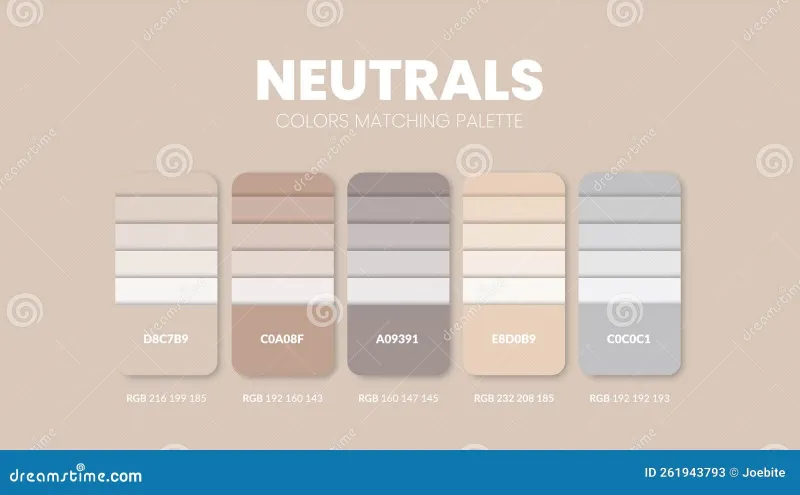
Photo: neutral linen wool and cotton fabric swatches on wooden table soft daylight minimalist, via thumbs.dreamstime.com
Most wardrobes are audited in the wrong place. The fitting room mirror flatters; the hanger lies by omission. The honest tribunal is the airer in the spare room, the clothes horse by the radiator, the pile on the bedroom chair at eleven o'clock on a Sunday night. A garment that looks quietly expensive in the shop and then demands twenty minutes with an iron before every wearing has not delivered quiet luxury. It has delivered another job.
The ironing board is therefore a useful filter. Not a moral test, and not an argument for wearing crumpled clothes to work, but a practical index of whether a fabric earns its place in a low-maintenance capsule. The question is not whether a cloth can be pressed. It is whether it needs to be pressed every time it is worn.
Why the Hanger Cannot Be Trusted
Shop lighting is forgiving. A shirt is pinned at the back, steamed by the visual merchandiser, and suspended in a way that gravity will never quite repeat at home. The useful information is not in the drape on the rail. It is in the behaviour after the first wash: the collar points, the placket, the seat of the trousers, the knee, the elbow. A fabric that recovers overnight on a hanger is a different proposition from one that sets into creases as it dries.
Weaves matter as much as fibres. A tight poplin and a loose voile can both be cotton, but they behave like distant cousins. A crepe weave disguises creasing; a plain weave exposes it. A good knit returns to shape; a poor one grows. Any ranking is therefore a guide rather than a law, but the categories are reliable enough to shop by.
The Self-Sufficient Few
At the calm end sit fabrics that seem to understand the working week. Merino wool is the quiet hero of the capsule wardrobe: it hangs out overnight, resists odour, and generally recovers its composure without heat. Cashmere behaves similarly when the quality is sound. Crepe — whether wool, polyester or a blend — is prized because its surface texture makes creases less visible. Ponte jersey, good denim, and corduroy also earn their keep, provided they are hung rather than folded into a heap.
These are the pieces that make a low-maintenance wardrobe feel deliberate. They do not require neglect; they require air, a wide hanger, and a little space. A wool jumper left in a basket will still crease. The difference is that it can usually be persuaded back into shape without an iron.
The Reliable Middle
Cotton oxford is the sensible compromise. The body of an oxford shirt generally hangs out well, though the collar and cuffs will always look better for a press. Seersucker is creased by design and therefore exempt from the argument. Tencel and lyocell blends often dry smooth enough for everyday wear, while good jersey — dense, with a little weight — needs nothing more than a shake and a hanger.
This is the group that suits most people most of the time. It does not promise a life without an iron, but it keeps the ironing board in the cupboard for weeks rather than days. For a British home where drying space is limited and the weather is unhelpful, that is a meaningful form of luxury.
The Demanding End
Linen is the honest exception. It creases, and it is meant to. A linen shirt worn creased can look intentional; a linen trouser pressed into a knife-edge will not stay that way for long. Silk demands more care, as does lightweight cotton voile and crisp cotton poplin. Tailored trousers in a soft cotton twill are beautiful but unforgiving across the lap and knee.
None of these fabrics is disqualified. They simply require a decision. If the wearer is willing to press, or to embrace the crease as part of the cloth's character, they can belong. If not, they become wardrobe debt: garments that look lovely on the rail and inconvenient on a Tuesday morning.
The Deceptive Easy-Care
There is a category that promises more than it delivers. Non-iron cotton can perform well for a season, then lose its finish or develop a sheen. Cheap polyester resists creasing but can feel clammy and look tired. Lightweight viscose is often sold as fluid and easy, yet wrinkles readily and can shrink or distort if washed carelessly. The label says easy care; the mirror says otherwise.
The lesson is to judge the cloth, not the claim. A fabric that feels thin, slippery or stiff in the hand is unlikely to become more generous after washing. A little weight and a tight, even weave are better predictors of calm behaviour than any slogan on a swing tag.
A Test for the Fitting Room and the First Day Home
In the shop, take a discreet handful of the fabric and hold it for twenty seconds. Release it and watch how it falls. If the creases remain sharp and white along the fold, the garment will need attention. If they soften within a minute, it is promising.
At home, the first twenty-four hours are more revealing. Wash according to the label, dry it as you normally would, and hang it without touching an iron. In the morning, inspect the collar, the front placket, the seat and the knees. Ask a simple question: would this be worn in its current state to the places it was bought for? A creased collar on a shirt intended for a meeting is a dealbreaker if the iron will never be used. A softly wrinkled trouser leg in a relaxed fabric may be perfectly acceptable.
The standard is intentionality. Linen creased looks like linen. Poplin crumpled looks neglected. The difference is not the presence of creases but whether they appear to be part of the design.
What This Means for a Capsule
A low-maintenance wardrobe is not a wardrobe without standards. It is one in which the standards are set before purchase rather than after. Choose mostly from the self-sufficient and reliable groups, keep one or two demanding pieces for the days when pressing is part of the ritual, and be honest about how much time and space exist in the week.
Less, but better, should mean less to iron as well as less to own. The best capsule is not the one that survives a spreadsheet. It is the one that survives the airer, the radiator and the ordinary British morning — and still looks like it was chosen on purpose.