The Quiet Luxury Audit: When an Investment Piece Is Just a Costly Habit

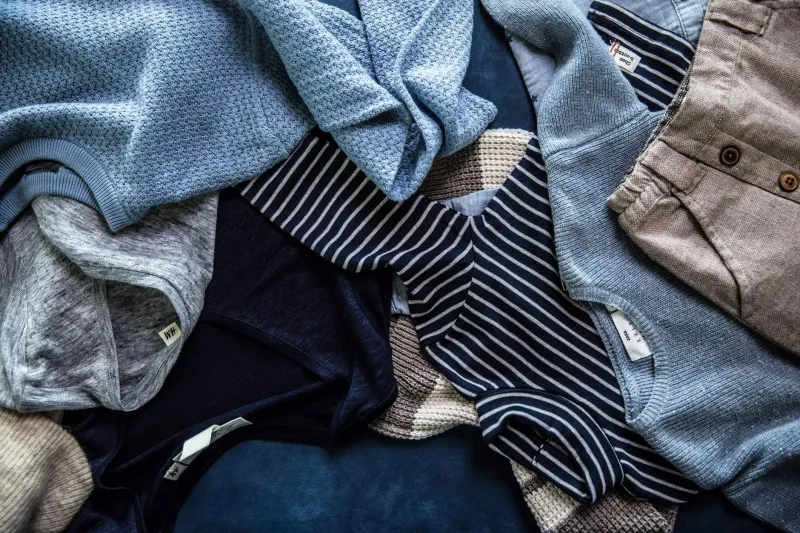
Photo: minimalist neutral wardrobe rail wool coat cashmere knit considered shopping, via i.pinimg.com
Quiet luxury arrived as a corrective to logos and noise. In principle, it should suit a minimalist wardrobe: fewer pieces, better materials, longer use. In practice, the language of investment dressing has become one of the most effective sales scripts in fashion. A neutral coat, a cashmere knit, a leather bag — each is presented as a purchase that will pay for itself in wear. Sometimes that is true. Often it is a reassurance designed to make an unnecessary purchase feel responsible.
At Minimis, less but better is not a licence to spend more. It is a discipline of buying less. That distinction matters most in the quiet luxury aisle, where the price is high enough to demand a genuine audit rather than a glance at the label.
When restraint becomes a sales script
The aesthetic of quiet luxury is deliberately understated: muted colours, clean lines, no obvious branding. That restraint can create trust. If a garment does not shout, it feels as though it is not trying too hard to sell itself. But understatement is still a marketing choice. The absence of a logo does not guarantee the absence of a sales pitch.
The tell is often in the adjectives. Timeless, investment, elevated, forever piece, buy once. These are not descriptions of construction or fit. They are promises about the future. A useful piece can be timeless; so can a very expensive one that stays in the wardrobe unworn. The question is not whether the story is attractive, but whether the garment earns its place in your actual life — your commute, your weekends, the UK weather, the clothes you already own.
The difference between longevity and reassurance
Longevity is a property of the garment: the fibre, the weave, the seams, the lining, the way the colour is dyed. Reassurance is a feeling created by the shop, the copy, the hanger and the lighting. A good audit separates the two.
Some expensive pieces are genuinely long-lasting. A densely woven wool coat, a well-cut pair of trousers or a leather shoe that a cobbler can rebuild may justify a higher price. But price alone is not evidence. Nor is a neutral colour. A pale cashmere cardigan that pills after six wears is not a quiet luxury workhorse; it is an expensive reminder that care and quality are not the same as a beige palette.
A practical pre-purchase audit
Before buying any so-called investment piece, run through a short set of questions. The aim is not to talk yourself out of every purchase. It is to make sure that the few things you do buy are genuinely useful.
- The gap test. Name the gap the piece fills in your wardrobe. If you cannot describe the missing role in one sentence, it is probably a duplicate. A fourth navy knit is not a gap; it is an addition.
- The three-outfit test. Can you make three complete outfits with pieces you already own, without buying anything else? If the new item needs new shoes, a new bag or a different trouser shape to work, it is not a standalone investment.
- The honest cost-per-wear. Divide the price by the number of wears you realistically expect in the next two years, not the fantasy decade. A £300 knit worn twice a month for two years is £12.50 per wear; the same knit worn twice is £150 per wear. Use your real habits, not your aspirational ones.
- The repair test. Ask what happens when it wears out. Can the seams be let out? Can the lining be replaced? Can the knit be darned? Can the leather be resoled? A piece with a repair route is more likely to stay in use.
- The fabric and construction check. Look at the fibre content, the weight, the seam allowance, the buttons and the lining. A high price should buy something you can inspect, not just something you can admire.
- The label-blind test. Would you still want it if the brand name were removed and the price were halved? If the answer is no, you may be buying reassurance rather than a garment.
Cost per wear without the fantasy maths
Cost per wear is a useful tool, but it is easily abused. The classic mistake is to divide by an imagined future of daily use. An occasion coat worn to a wedding and two dinners is not a daily coat simply because it was expensive.
A more honest approach is to count the wears you have already given similar pieces. If your existing winter coat gets worn four times a week from November to February, a second coat of the same weight is unlikely to match that. If your lifestyle is mostly casual, a tailored jacket may have fewer outings than you expect. The point is not to optimise every penny. It is to stop using arithmetic to justify a purchase that your wardrobe does not need.
Repair potential is part of the price
A genuine investment piece should be maintainable. For knitwear, that means a fabric shaver, a darning needle and a willingness to hand wash. For tailoring, it means a local alterations service and enough seam allowance to adjust the fit. For shoes, it means a cobbler who can replace a sole and a heel.
In the UK, good repairers are not always visible from the high street, but they exist: independent cobblers, dry cleaners with alteration services, and specialist knitwear menders. Before you buy, ask whether the piece is compatible with that network. Delicate finishes, bonded fabrics and complicated closures can make repair difficult or impossible. A garment that cannot be maintained is not a long-term purchase, however elegant it looks on the rail.
The gap-filling test
The most important question is also the simplest: does this piece fill a gap, or does it fill a mood? A gap is specific. You need a warm layer that works under a coat for a winter commute. You need a pair of trousers that can go from office to dinner. You need a bag that holds a laptop and looks calm in a meeting.
A mood is vaguer. You want to feel more polished, more organised, more like the person you imagine yourself to be. That is not a reason to buy nothing, but it is a reason to pause. The right piece can support that feeling; it cannot create it from scratch. If the purchase is meant to reset your identity, it will rarely work for long.
A calmer way to buy
Quiet luxury is not the enemy. The enemy is the assumption that a higher price automatically means a better decision. A minimalist wardrobe is built through repetition, fit and care, not through a single heroic purchase.
The next time an investment piece catches your eye, wait a week. Wear the clothes you already own. Notice what you actually reach for. If the gap is still there, and the garment passes the audit, buy it well and wear it hard. If the gap disappears, you have saved more than money. You have kept the wardrobe calmer.