Before the Next Purchase: A Thirty-Wear Test for a Calmer Wardrobe

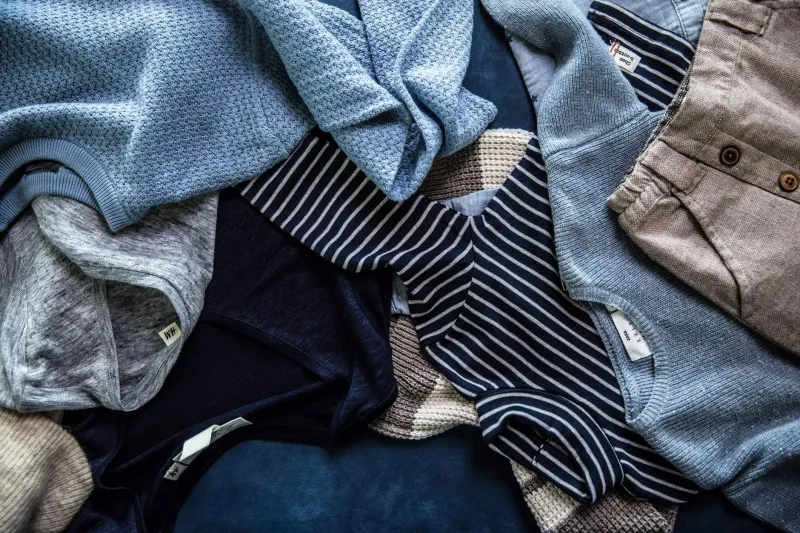
Photo: minimalist neutral knitwear folded on wooden shelf UK wardrobe stock photo, via i.pinimg.com
Minimalist wardrobes are not built by refusing every purchase. They are built by making fewer decisions with more care. The thirty-wear test is one such decision rule: before a new item enters the wardrobe, ask whether it is likely to be worn at least thirty times. The number is not a legal threshold. It is a useful pause, long enough to separate a genuine gap from a passing desire.
What the pledge asks — and what it does not
The pledge does not demand that every purchase be a forever piece. Nor does it require a spreadsheet at the till. It asks for a reasonable forecast: can this garment earn its place across thirty ordinary days? Ordinary is the operative word. A coat worn twice a week from October to March will clear the bar with ease. A sequined top bought for one evening will not, and that is not necessarily a reason to avoid it. The test simply makes the distinction visible.
For 2026, the case for such a pause is strong. Sales cycles are persistent, returns are easy and the temptation to treat a wardrobe as a feed of new arrivals is difficult to resist. A thirty-wear pledge slows that rhythm without turning dressing into a penance. It is a gentler form of buying less because it begins with use, not deprivation.
A UK reading of thirty wears
UK weather makes the test more practical than it might first appear. A wardrobe here is asked to cope with damp mornings, bright afternoons, overheated offices and cold railway platforms, often in the same week. The pieces that reach thirty wears are rarely the most dramatic. They are the mid-layer that fits under a coat, the trousers that do not lose their shape after a commute, the knit that works with both a skirt and denim.
It is worth counting wears by season rather than by calendar year. A linen shirt may reach thirty wears across one summer; a heavy cardigan may take two winters. That is acceptable. The pledge is a test of likely use, not a race. What matters is that the item has a clear role in the wardrobe and that the role recurs.
The arithmetic, without the guilt
Cost per wear is a familiar calculation, and it remains useful when handled calmly. A £120 knitwear piece worn thirty times costs £4 per wear. A £45 top worn twice costs £22.50 per wear. The first is not automatically the better purchase, but the comparison exposes the difference between an item that is used and an item that is merely owned.
The calculation should include alterations and repairs. A pair of trousers that needs shortening is still a sound purchase if the resulting fit means it will be worn weekly. A bargain that requires constant adjustment is less sound. In the UK, where many of us dress for central heating indoors and rain outdoors, fabric and fit matter more than the label. Cost per wear is a guide, not a verdict.
Exceptions worth making
There are purchases that deserve to bypass the thirty-wear rule. Replacing a worn-out essential is the clearest case: if the only pair of work trousers has gone thin at the knee, the new pair is not an indulgence. A garment required for a specific professional or safety purpose also qualifies. So does a piece that fills a genuine gap in a small wardrobe, provided the gap is named before the shopping begins.
Occasion wear is more complicated. A wedding or a formal interview may justify a purchase that will not reach thirty wears, but the decision should be honest about its purpose. If the item can be rented, borrowed or restyled for other events, the pledge is not broken. If it cannot, the purchase may still be reasonable; it is simply not a capsule decision.
Keeping the pledge gentle
The rule works best when it is not enforced with moral seriousness. A few habits make it easier. Keep a list of genuine gaps for a month before acting on it. Wait forty-eight hours after seeing something in a sale. Check the returns policy before buying online. Hang new purchases where they will be seen, not stored away in anticipation of a future life.
It also helps to record wears, at least loosely. A simple note on a phone or a mark on the hanger is enough. The aim is not surveillance but evidence. When a piece reaches thirty wears without effort, it has proved its value. When it does not, the wardrobe has learned something useful.
The capsule effect
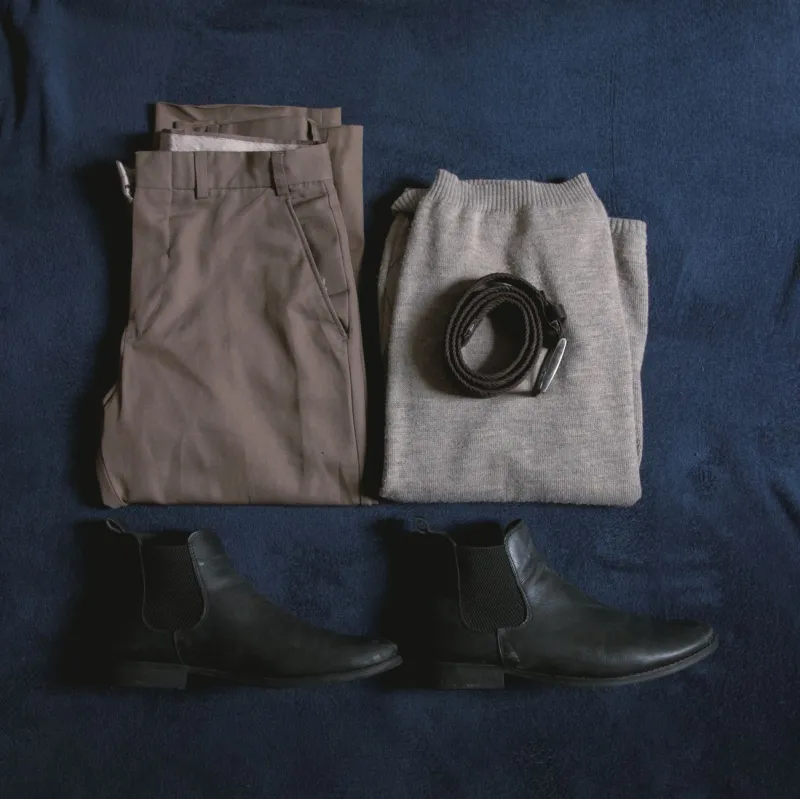
The thirty-wear test does not produce a uniform. It produces a wardrobe with fewer false starts. Over time, the items that remain are those that are reached for repeatedly: the plain knit, the reliable trouser, the coat that works with everything. That is the quiet logic of Minimis. Less, but better is not a slogan about austerity. It is a description of what happens when purchases are measured by use.