A Place to Dry: Winter Clothes, Wet Weather and the Case for Patience
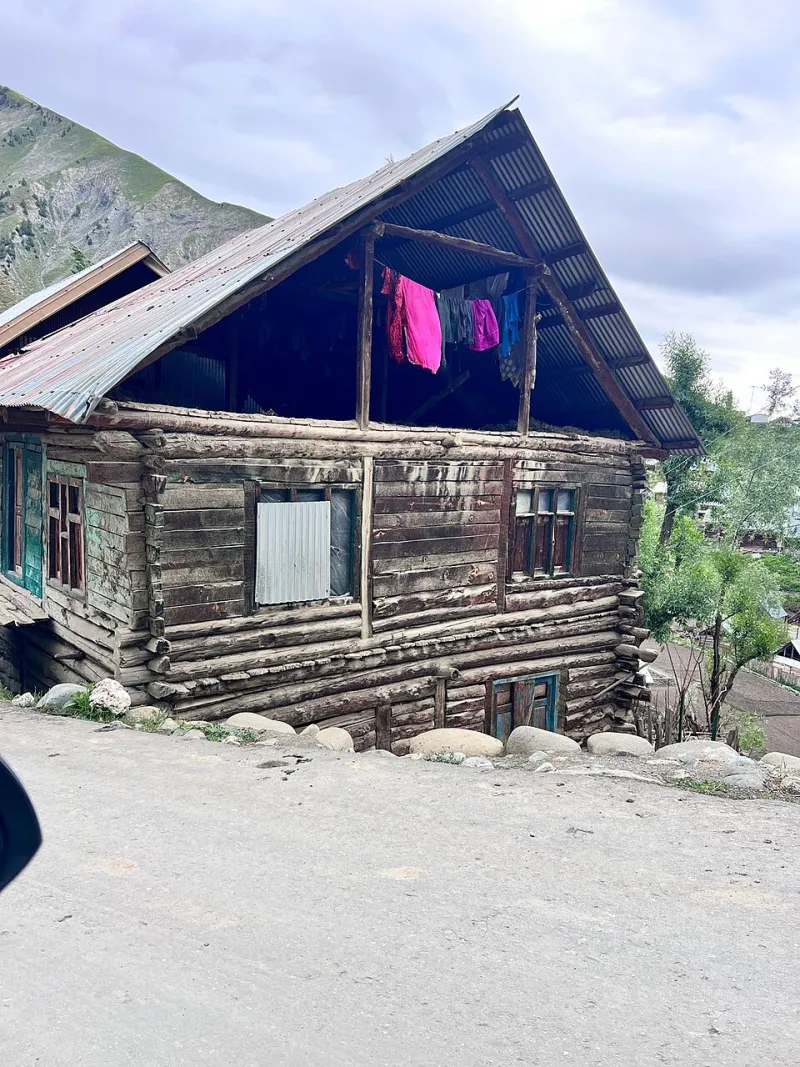
Photo: Afreen Banday, CC BY-SA 4.0, via Wikimedia Commons
November in Britain rarely arrives as a single downpour. It comes as a week of grey drizzle, a damp collar, a pair of shoes that never quite dry by the door. For a capsule wardrobe, this is the quiet test: not how many pieces you own, but how you treat the few you have when the weather turns. Drying is not an afterthought to dressing. It is part of the same discipline.
The Radiator Is Not a Drying Rack
The instinct on a wet evening is to drape a coat over a radiator or hang a jumper above the boiler. It is understandable, and it is usually a mistake. Direct heat distorts wool, stiffens leather and can leave a coat dry on the outside while the lining stays damp. It also encourages the musty smell that makes people replace things before their time. Warm air may feel efficient, but it is not the same as moving air.
Shake, Brush, Hang
Before anything else, give the garment a shake. Empty the pockets, unbutton the front, and hang a coat on a broad wooden hanger that supports the shoulders. A soft clothes brush will lift surface grit from wool and cashmere; a damp cloth is rarely necessary. The aim is to remove moisture and restore shape, not to press or punish the fabric. For knitwear, resist the hanger entirely. Lay the piece flat on a towel or a mesh drying rack, reshape the cuffs and neckline with your hands, and leave it in a room with moving air.
Damp Is Not Dirty
One of the most useful distinctions in wardrobe care is between damp and dirty. Wool is naturally resistant to odour and can be aired rather than washed after an ordinary day. A coat may go a whole season with nothing more than a brush and a spot clean. Knitwear can be worn several times before it needs a bath. Shoes should never go into a machine. Over-washing is a form of wear: it breaks fibres, dulls colour and shortens the life of the very pieces a capsule wardrobe depends on.
A Small Architecture for Drying
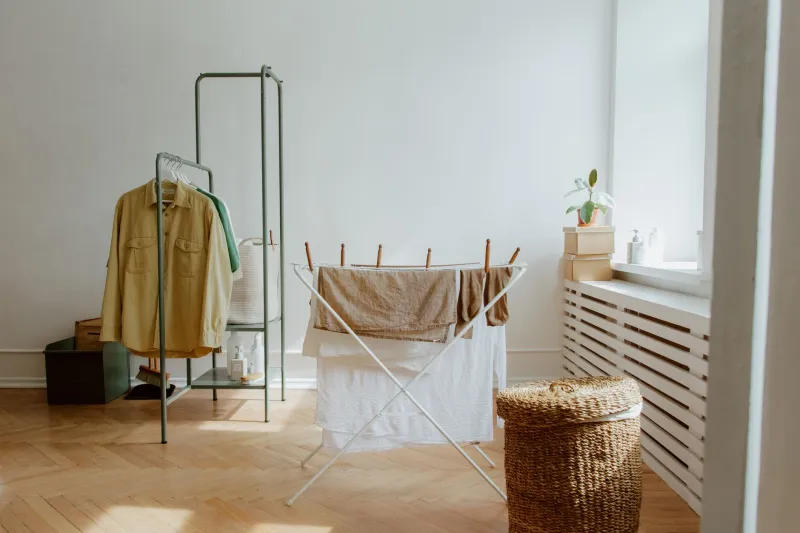
Every home has a place where wet things collect: a hallway, a spare room, a corner of the kitchen. The task is to make that place work. A wooden drying rack, a simple rail and a small fan are enough. A dehumidifier can help in a flat with little ventilation, but it should be used gently and not as a substitute for air. The key is space: an overcrowded airer traps moisture between garments and slows the process. Give each item room to breathe, and rotate the rack after a few hours.
The Rotation Principle
A capsule wardrobe needs margin. If there is only one coat and one pair of everyday shoes, wet weather becomes an emergency. Two coats, two pairs of shoes and two or three knits in rotation are not excess; they are the minimum for rest. The principle is simple: one piece dries while another is worn. This is not about owning more. It is about allowing the few things you own to recover between outings. Quiet luxury is often described as a look, but it is more usefully understood as a rhythm.
When to Bring in Help
Some items need more than air. Leather shoes benefit from cedar trees or rolled newspaper, which absorb moisture from the inside and hold the shape of the toe. Suede should be brushed once dry and kept away from heat. A wool coat that has been properly soaked may need to hang in a well-ventilated room for a full day, with the lining pulled out slightly to help the inner layers dry. If a garment smells musty after drying, air it again rather than washing it immediately; the smell is often a sign of trapped moisture, not dirt.
The Clutter You Avoid
A coat that has lost its shape, a jumper that has felted, a pair of shoes that curl at the toe: these are often described as wear and tear. In practice, they are frequently drying failures. Care extends life, and extended life is the quietest form of sustainability. The alternative is a cycle of premature replacements that fills the wardrobe with things that are neither loved nor useful.
A Short Routine
- On arrival: shake, brush, empty pockets, hang.
- Knitwear: lay flat, reshape, dry for at least a day.
- Shoes: remove insoles, insert trees or newspaper, air away from heat.
- Wash only when there is soil, sweat or stain.
- Rotate: one coat resting while another is worn.
None of this is dramatic. It does not require a dedicated laundry room or an expensive appliance. It requires a little patience and a place by the door. In a wet British winter, patience is a wardrobe tool. Used well, it keeps fewer, better things in service — and keeps the clutter of hasty replacements out of the house.